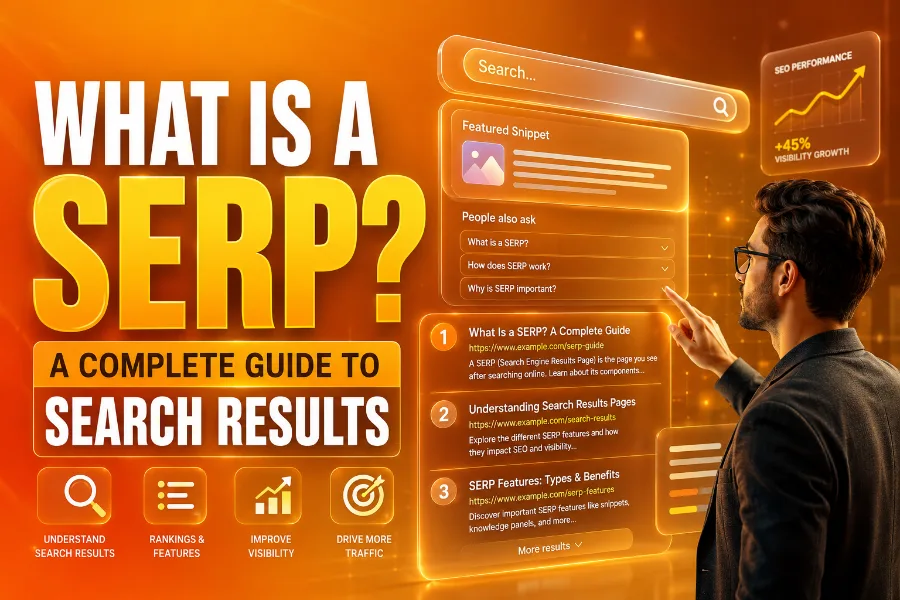
What is a SERP is a common SEO question because every search, click, impression, and ranking opportunity begins on a search engine results page.
When you type a query into Google, Bing, or another search engine, the page you see is not random; it is a carefully arranged answer set built from organic results, paid ads, local listings, snippets, images, videos, and other features.
Understanding SERPs helps you create content that meets search intent, earns trust, and competes for visibility where your audience is already looking with much less wasted effort.
What is a SERP And Why Does It Matter?
A SERP, or search engine results page, is the screen a search engine displays after someone enters a search query. It may look simple at first, but it often combines organic listings, ads, featured snippets, People Also Ask boxes, maps, images, videos, shopping panels, and direct answers in one competitive space. For you, the value of understanding a SERP is simple: it shows what search engines believe users want, what content formats dominate the query, and how difficult it may be to win attention.
Before you chase rankings, you need to know whether Google can see your pages in the first place. A tool that lets you instantly verify Google-indexed web pages gives you a cleaner starting point because a page that is not indexed cannot earn impressions, snippets, rankings, or clicks. Once indexing is confirmed, you can determine whether the real challenge lies in content quality, technical SEO, authority, search intent, or the SERP itself.
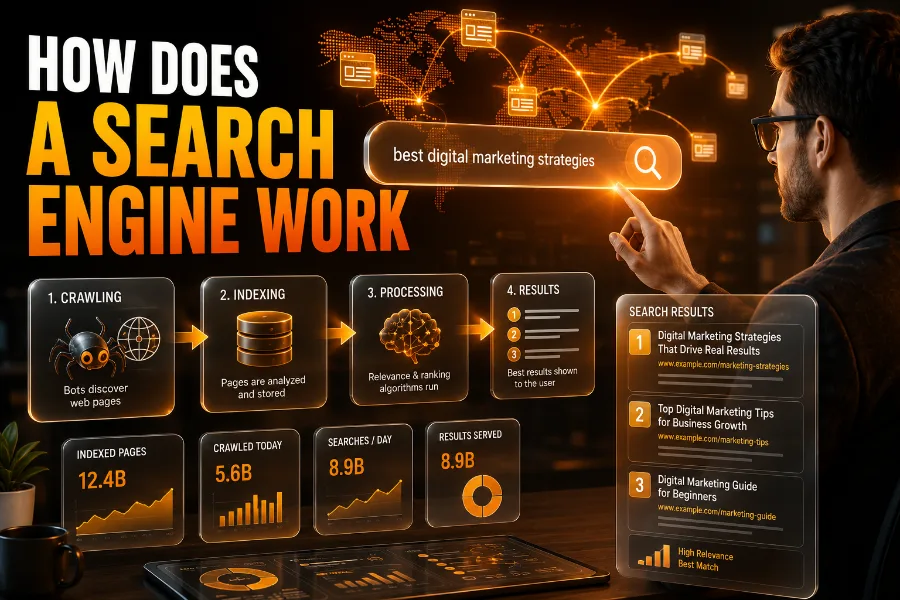
How Search Engines Build A SERP
Search engines build SERPs by matching a user’s query with pages and features from their index. They evaluate meaning, relevance, freshness, location, authority, usability, page experience, and hundreds of other signals before deciding what deserves visibility. The final result is not just a ranked list; it is a layout designed to satisfy the searcher as quickly as possible.
This is why two people can search the same phrase and see slightly different results. Location, device type, language settings, search history, and query wording can all influence the SERP that appears. If you want your content to perform well, you should study the actual results for your target keyword rather than assume every keyword needs the same type of article, landing page, video, or local listing.
Why Indexing Comes Before SERP Visibility
Indexing is the stage where a search engine stores a page and makes it eligible to appear in search results. A page can be well-written, beautifully designed, and packed with useful information, but it will not appear in a SERP if Google has not indexed it. That is why SEO should begin with crawlability, indexability, and clear signals that help search engines understand which pages matter.
When a strong page fails to appear, the issue may be indexing rather than writing quality. A practical explanation of why Google is not indexing your pages can help you connect crawl access, thin content, duplicate pages, canonical tags, and sitemap signals to the visibility problem. After you solve indexation barriers, your content has a fairer chance to compete for organic rankings, featured snippets, and other search features.
How Sitemaps Support Better SERP Discovery
A sitemap gives search engines a structured list of important URLs you want them to discover. It does not guarantee rankings, but it helps crawlers find pages faster, understand site structure, and revisit updated content with less friction. This matters for large sites, new sites, e-commerce stores, blogs with deep archives, and any website where important pages may not be easy to reach through internal links alone.
If your content strategy depends on publishing and updating pages often, sitemap management should not be ignored. A clear guide on how to add sitemap in Google search console is useful because Search Console helps you submit the sitemap, monitor discovery, and spot coverage issues that may affect visibility. When your sitemap, internal linking, and robots instructions work together, search engines can understand your site more efficiently.
Organic Results On A SERP
Organic results are the unpaid listings that appear because a search engine considers them relevant to the query. A typical organic result may include a title link, URL path, meta description, date, sitelinks, review stars, image thumbnails, or other enhancements depending on the query. These results remain valuable because they can bring consistent traffic without paying for every click.
To compete organically, you need more than keyword placement. You need content that answers the query clearly, covers related questions, earns trust, loads quickly, and gives readers a reason to stay. Your title should promise a specific benefit, your introduction should confirm relevance quickly, and your body content should organize the answer better than competing pages already ranking on the SERP.
SERP Features You Need To Understand
SERP features are special elements that go beyond standard organic listings. They can include featured snippets, People Also Ask boxes, local packs, image packs, video carousels, knowledge panels, shopping results, top stories, discussions, and AI-generated summaries. These features can push traditional results lower, but they also create new ways to earn attention.
Featured snippets are especially important because they answer a question directly near the top of the page. People Also Ask boxes reveal related questions that can shape your outline, while image and video results show when users prefer visual explanations. If your page is structured with concise answers, helpful headings, clean formatting, and strong topical coverage, it has a better chance of being selected for enhanced visibility.
Search Intent Shapes Every SERP
Search intent is the reason behind a search query, and it heavily influences what appears on the SERP. A user searching “how does a SERP work” likely wants an educational guide, while someone searching “best SEO software pricing” may be closer to comparing products. Google tries to match the format of the results to that intent.
Most queries fall into informational, navigational, commercial, or transactional intent. Informational SERPs often show guides, definitions, snippets, and videos, while transactional SERPs may show ads, product listings, reviews, and category pages. Before writing, search your target keyword and study the page type Google already rewards, because fighting the wrong intent is one of the fastest ways to waste content effort.
Local SERPs And Map Results
Local SERPs appear when Google believes the searcher wants something nearby or location-specific. These pages often include a map pack with business names, ratings, hours, addresses, photos, phone numbers, and directions. For service businesses, clinics, restaurants, contractors, and retail stores, the local pack can be more valuable than a normal organic listing.
To improve local visibility, you need accurate business information, consistent citations, strong reviews, relevant service pages, and a complete Google Business Profile. Your website should also include location-specific details that help users and search engines understand where you operate. If your competitors dominate the map pack, study their categories, reviews, page quality, and local landing pages before deciding where to improve.
Mobile SERPs And User Experience
Mobile SERPs matter because many searches happen on phones, where screen space is limited and top positions get even more attention. A result that looks visible on desktop may sit far below ads, maps, snippets, and image blocks on mobile. That means you should evaluate your keywords on mobile, not just from a desktop browser.
Mobile SEO depends on speed, responsive design, readable text, clean navigation, and pages that do not frustrate users with intrusive pop-ups. Your content should answer the main question early and use headings that help people scan quickly. If a visitor lands from a SERP and immediately leaves because the page feels slow or confusing, your ranking potential becomes weaker over time.
How To Analyze A SERP Before Writing
SERP analysis means studying the search results before creating or updating content. You should look at the type of pages ranking, the depth of their answers, the SERP features present, the freshness of the results, and the angle each competitor uses. This prevents you from writing blind and helps you create a page that fits the real search landscape.
Start by asking what the searcher wants, what Google is already rewarding, and what is missing from the current results. You may notice that ranking pages explain definitions but skip examples, or they discuss SEO theory without showing how to use SERP data in planning. Those gaps give you a chance to create a more useful, complete, and memorable article.
How To Optimize Content For SERP Features
To optimize for SERP features, structure your content so search engines can extract clear answers. Use direct definitions, short explanatory paragraphs, descriptive H2 and H3 headings, ordered steps, tables where useful, and FAQ-style sections when the topic naturally includes questions. The goal is not to trick Google; it is to make your answer easier to understand and reuse.
For featured snippets, answer the main question in a concise paragraph near the top of the page. For People Also Ask, include related questions that match real user concerns without stuffing keywords. For image or video opportunities, use descriptive file names, alt text, transcripts, and supporting visuals that genuinely help readers understand the topic.
Common SERP Mistakes To Avoid
One common mistake is treating every keyword like a normal blog post opportunity. Some SERPs favor product pages, local business listings, comparison pages, videos, news results, or short definitions, so a long article may not always be the best answer. Your content format should match the page Google is already showing for the query.
Another mistake is focusing only on ranking position while ignoring click potential. A page in position three may get less traffic if ads, snippets, maps, and People Also Ask boxes take most of the attention above it. You should measure impressions, click-through rate, average position, and the visual layout of the SERP before deciding whether a keyword is truly valuable.
Conclusion
what is a SERP is more than a definition; it is the starting point for understanding how people discover information, compare options, and choose which websites deserve their attention. A SERP shows you what search engines believe is useful for a query, but it also shows where your content can be clearer, deeper, faster, or more helpful than competing pages.
If you want stronger SEO results, study the layout before writing, confirm that your pages are indexable, match the search intent, and structure your content for both readers and search features. The best SERP strategy combines technical access, useful content, smart formatting, and ongoing measurement. When you treat the results page as a guide instead of a mystery, you can create pages that earn visibility, attract better clicks, and serve users with confidence.